मीठो नेपाल · The Taste of Nepal
Eat your way from the Terai to Everest.
TastyNepal is a living guide to Nepali cuisine — 60 dishes with real home recipes, the stories behind them, and every momo, feast plate, and glass of chiya in between.
Browse by course
Six ways into the cuisine
Staples & Mains
20Dal bhat and the plates that power a nation
Snacks & Street Food
12Khaja — the sacred art of the in-between meal
Newari Specialties
8The feast cuisine of the Kathmandu Valley
Sweets & Desserts
8From king yogurt to festival laddus
Pickles & Condiments
7Achar — the fire and tang beside every plate
Beverages
5Chiya, tongba, and butter tea for the cold
Highly rated
Plates to start with
 Staples & Mains
Buff Momo
बफ मम:Buffalo momo are the original and still the definitive Kathmandu dumpling, cheap enough to be everyday food and rich enough to feel like a treat. Buffalo mince carries far more fat and flavour than chicken, so the filling releases a mouthful of hot broth when you bite in. Ordering a plate of ten with extra achar is a ritual for students, office workers and taxi drivers across the valley.
 Newari Specialties
Chatamari
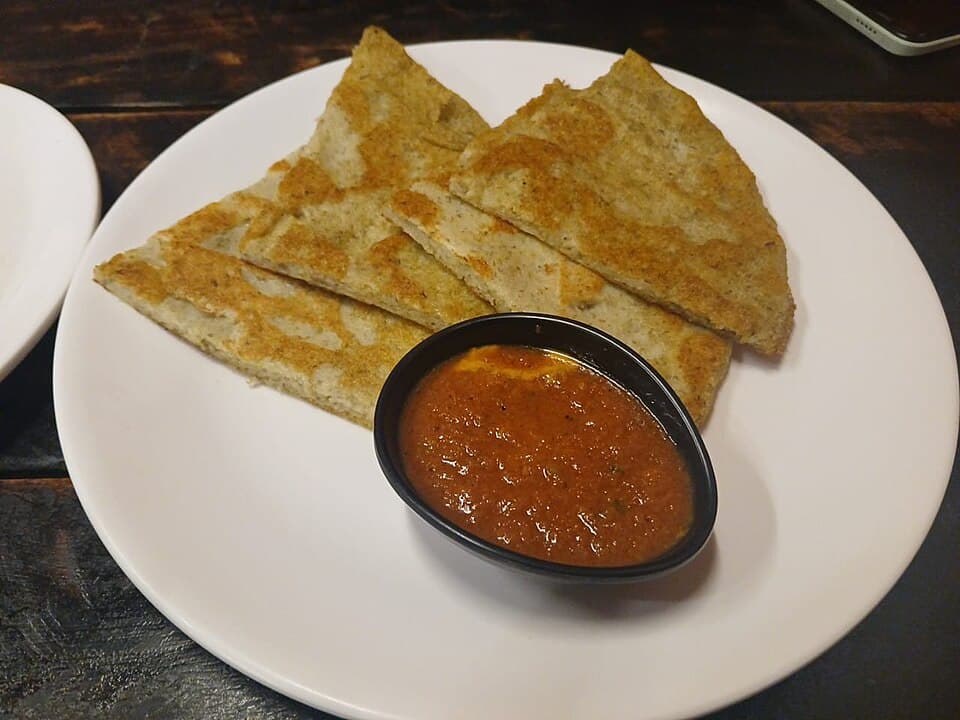
चतांमरिOften called the Nepali pizza by visitors, chatamari is a paper-thin crepe of fermented-free rice batter cooked on a griddle and finished with minced buffalo, egg and aromatics. Newar families traditionally make it for festivals, family gatherings and the arrival of guests rather than as everyday food. It is eaten straight from the pan, folded or torn by hand, with a pinch of ginger and a fiery tomato achar on the side.
 Snacks & Street Food
Chatpate
चटपटेChatpate is puffed rice tossed to order with crushed instant noodles, raw onion, chilli and a hard squeeze of lime, mixed by hand in a battered steel bowl at the roadside. It is sharper and more sour than Indian bhel puri, pulled in a different direction by mustard oil and a pinch of timur that leaves a faint tingle on the lips. School gates, bus parks and evening pavements across Nepal run on it, and it is always eaten from a paper cone within minutes of being made.
 Newari Specialties
Chhwela (Choila)
छोइलाChhwela is charred, heavily spiced buffalo meat, and it is probably the single dish most people associate with Newar cooking. The classic haku chhwela is scorched over a rice-straw fire so the smoke soaks into the meat before it is tossed with mustard oil, chilli and timur; the gentler manaa chhwela boils the meat first and skips the char. It is standard on the Samay Baji platter and standard again in the evening, eaten with beaten rice and a glass of aila.
 Staples & Mains
Chicken Sekuwa
कुखुराको सेकुवाSekuwa is meat marinated in mustard oil, yoghurt, ginger-garlic and toasted Nepali spices, then skewered and grilled over charcoal until the edges char and smoke. Eastern Nepal, especially Dharan and Tarahara in Sunsari district, is famous for it, and roadside sekuwa houses grill to order all evening. It is eaten with chiura, sliced onion and a sharp achar, and traditionally washed down with raksi.
 Beverages
Chiya (Nepali Milk Tea)
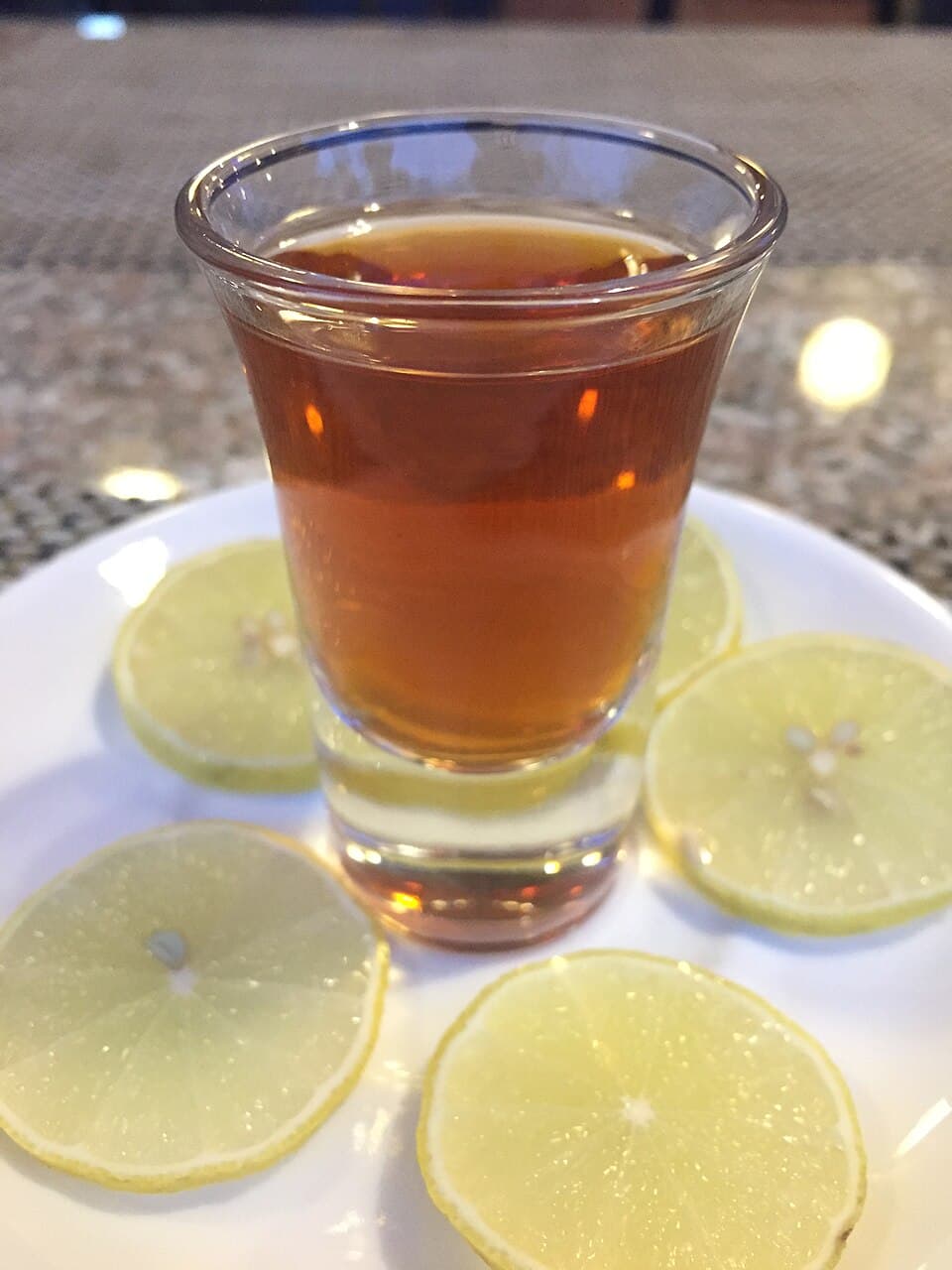
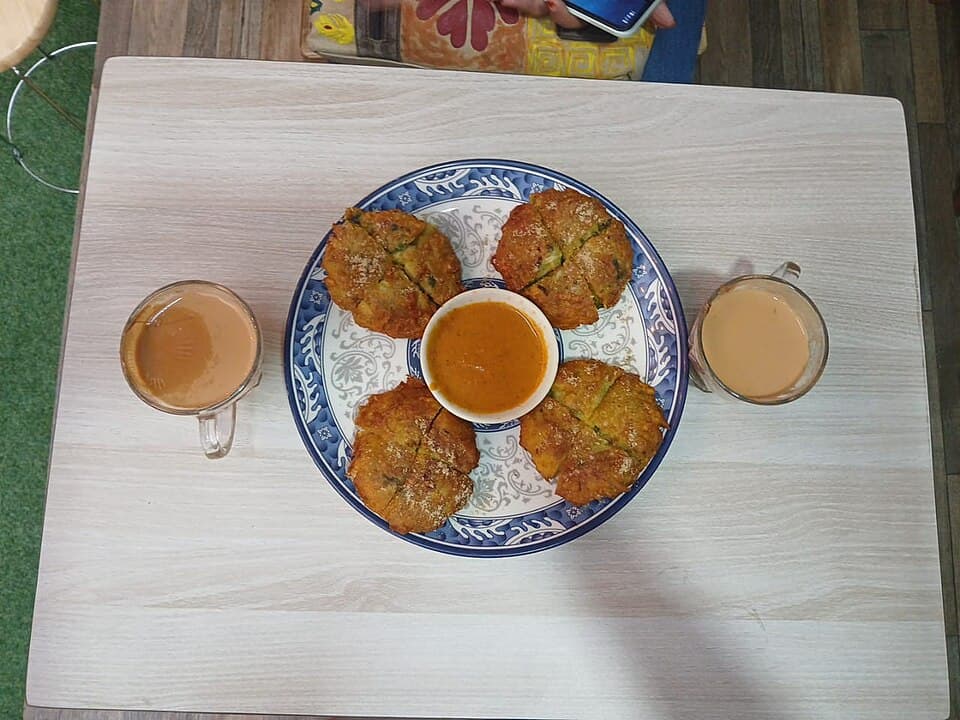
चियाChiya is the drink that punctuates every Nepali day: strong black tea boiled hard with milk, sugar and a handful of crushed spices until it is sweet, tannic and thoroughly perfumed. The masala version leans on ginger, cardamom, clove and Nepali bay leaf (tejpat), which lends a floral note you rarely find in chai elsewhere. It is poured into small glasses at tea stalls, offered to every visitor within minutes of arrival, and drunk at all hours.
Khana khanubhayo?
In Nepal, “have you eaten?” is a greeting.
Nepali food is shaped by altitude. The Terai plains grow rice, lentils, and mangoes; the mid-hills ferment greens into gundruk and press buckwheat into dhido; the high Himalaya survives on barley, yak butter, and dumplings that arrived over the passes from Tibet. One country, three climates, and a table that holds all of them.
Read the story of Nepali cuisine →The dal bhat rhythm
Twice a day, most of Nepal sits down to the same beautiful equation: steamed rice, lentil soup, seasonal curry, sautéed greens, and a bright, fiery achar. Trekkers learn the mantra quickly —
“Dal bhat power, 24 hour.”
Your kitchen
Cook something? Share it.
Every family’s achar is different. Join the community to save favorites, review dishes, and publish your own recipes.